



Specifications
| Parameter | Value/Range |
|---|---|
| Yield Strength (ReH) | Minimum 350 MPa to 550 MPa (G350, G450, G550) |
| Ultimate Tensile Strength (Rm) | Minimum 420 MPa to 570 MPa |
| Thickness Range | Commonly 0.25mm to 1.5mm |
| Standards | ASTM A653, AS 1397, JIS G3302 |
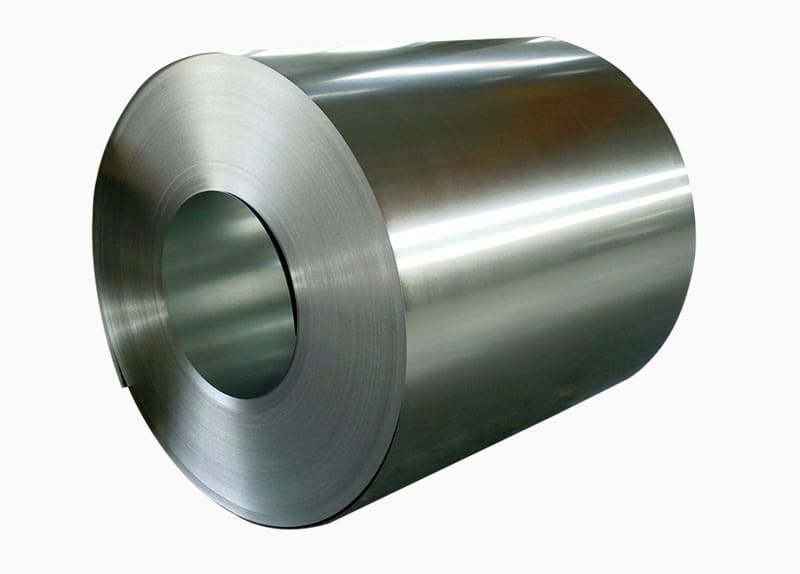
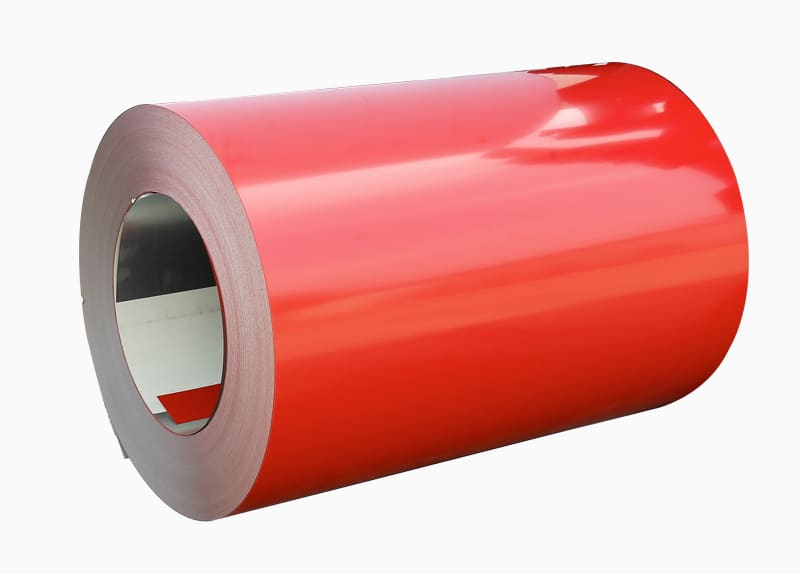
| Substrates | GI (Galvanized), GL (Galvalume), PPGI, PPGL |
| Ductility | Reduced formability compared to soft steel (CQ grade). |
| Certification | Full Mill Test Certificate (MTC) required for strength verification. |
Structural Safety: The specified grade (e.g., G550) confirms the minimum yield strength, which is the point at which the material begins to deform permanently.
Application
Structural Roofing: Long-span corrugated and trapezoidal roofing profiles (G550).
C- & Z-Purlins: Secondary framing members that carry high wind and snow loads (G350, G450).
Steel Decking: Composite floor systems requiring high initial strength.
Light Steel Framing: Studs and tracks for pre-fabricated building systems.
Advantages
Material Cost Reduction: Achieves the same structural performance with less material volume (thinner gauge).
Reduced Dead Load: Lighter structures require smaller foundations and primary support members.
Improved Handling: Lighter coils and sheets are easier and faster to handle and install on site.
Superior Impact Resistance: Provides greater stiffness and resistance to local damage compared to soft steel of the same gauge.