
- no.8,zaolin road,
longxiang street,
tongxiang,zhejiang,china - +86 573 89381086[email protected]
- DownloadsPDF Brochures
Alu-Zinc coils, often referred to commercially as Galvalume or Aluzinc, are flat-rolled steel products coated with an alloy consisting of 55% aluminum, 43.4% zinc, and 1.6% silicon. This specific ratio is engineered to combine the physical protection and high heat resistance of aluminum with the sacrificial "healing" properties of zinc. The silicon element acts as a binder, ensuring that the coating adheres tightly to the steel substrate during the continuous hot-dip process. This metallurgical bond creates a barrier that is significantly more durable than standard zinc-only coatings, making it a preferred choice for harsh environmental conditions.
The performance of Alu-Zinc is largely defined by its unique microstructure. As the coating solidifies, the aluminum-rich phases form an interlocking network that provides a physical shield against oxygen and moisture. Meanwhile, the zinc-rich areas fill the gaps, offering cathodic protection. If the surface is scratched or the edges are cut, the zinc reacts to protect the exposed steel, preventing the spread of "red rust" which is common in lower-grade materials. This dual-action protection allows Alu-Zinc coils to last up to three to four times longer than traditional galvanized steel of the same coating thickness.
When sourcing Alu-Zinc coils, it is essential to understand the technical parameters that dictate their longevity and structural integrity. The most critical factor is the coating mass, usually measured in grams per square meter (gsm). Higher gsm ratings indicate a thicker protective layer, which is vital for coastal or industrial projects where salt spray or chemical pollutants are prevalent.
| Feature | Alu-Zinc Coil (55% Al) | Galvanized Steel (GI) |
| Corrosion Resistance | Superior (High) | Standard |
| Heat Reflectivity | High (>65%) | Low |
| Temperature Limit | Up to 315°C | Up to 200°C |
| Surface Appearance | Fine, Silvery Spangle | Varied Spangle Sizes |
The versatility of Alu-Zinc coils has led to their widespread adoption across various sectors. Because the material is highly reflective, it is frequently used in roofing and wall cladding to improve the energy efficiency of buildings. By reflecting a significant portion of solar radiation, Alu-Zinc helps maintain cooler interior temperatures, thereby reducing the load on HVAC systems. Additionally, its aesthetic "spangle" finish allows it to be used in unpainted states for a modern, industrial look.
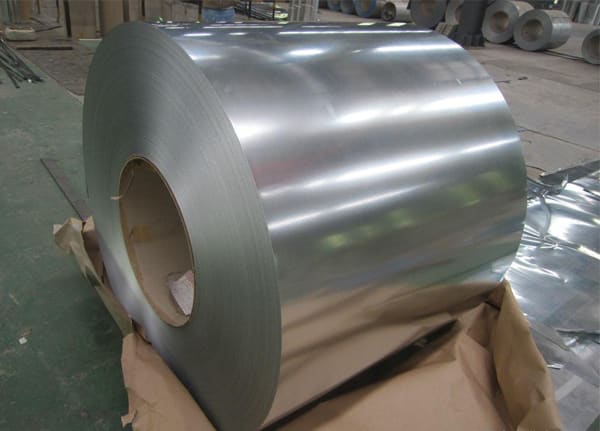
Common industrial and commercial uses include:
To maintain the integrity of the Alu-Zinc coating during fabrication, certain precautions must be taken. While the material is highly ductile and suitable for roll-forming and deep drawing, the use of proper lubricants is encouraged to prevent "galling" or scraping of the aluminum surface. Furthermore, when joining Alu-Zinc panels, it is recommended to use fasteners made of compatible materials (such as stainless steel or aluminum) to prevent galvanic corrosion at the contact points.
Proper storage is equally critical. Coils should be kept in dry, ventilated environments to avoid "white rust" or storage stains, which can occur if water is trapped between tightly wound layers. When installed as roofing, ensures that the material is not in direct contact with wet timber or copper piping, as these can accelerate the breakdown of the protective alloy. By following these practical guidelines, engineers and contractors can maximize the service life of Alu-Zinc installations, ensuring decades of maintenance-free performance.
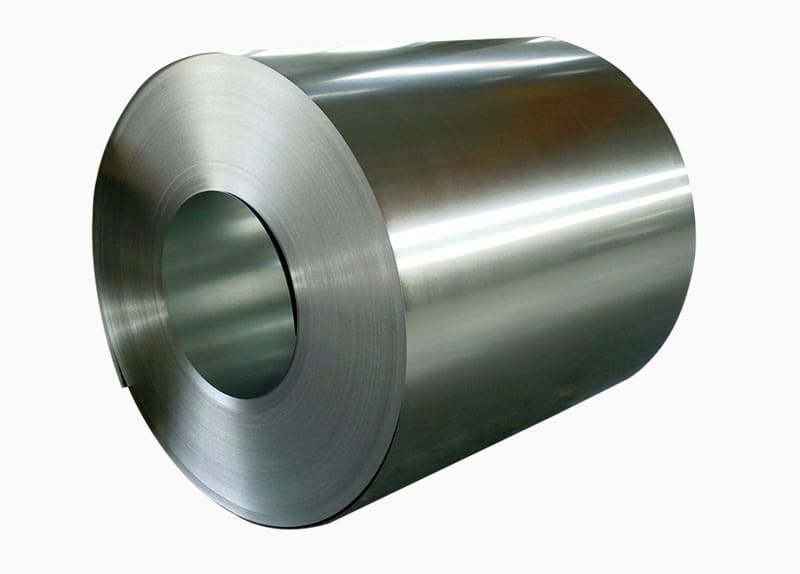
With high anti-rust performance, they are popular used in co...
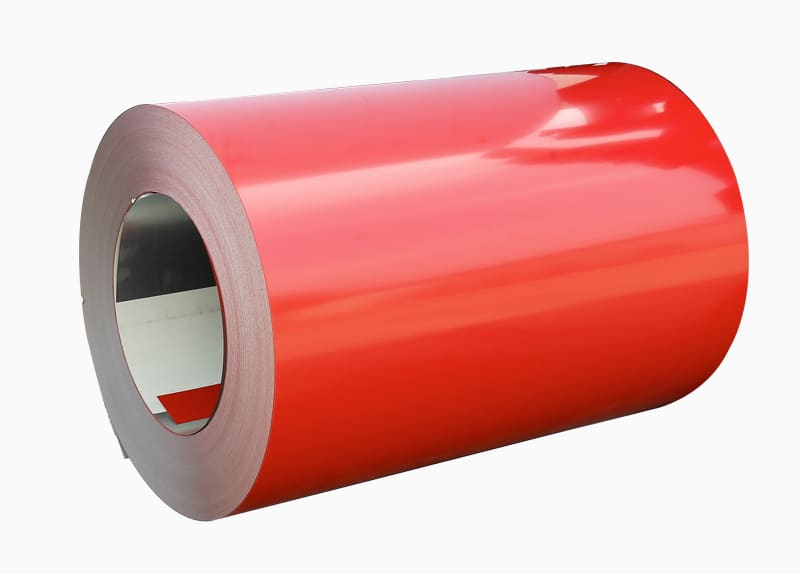
PPGI / PPGL COIL full name is prepainted galvanized / galval...
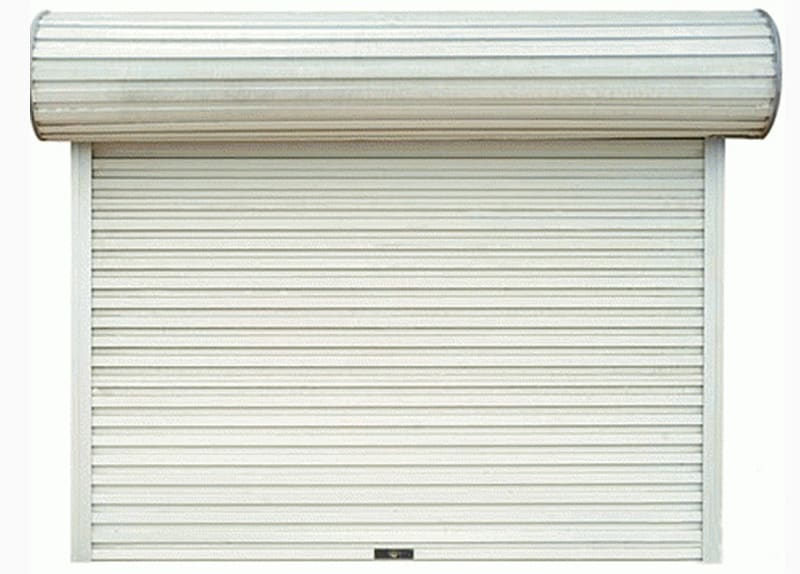
Port:Zhejiang,China Advantages of Our Prepainted Galvanized ...
APPLICATION OF PPGI Construction:Outside:Workshop, agricultu...