
- no.8,zaolin road,
longxiang street,
tongxiang,zhejiang,china - +86 573 89381086[email protected]
- DownloadsPDF Brochures
The manufacturing of a printed PPGI coil involves a multi-stage coating and printing process that ensures the design is not only visually stunning but also permanently bonded to the substrate. The process begins with a base of hot-dip galvanized steel, which provides the primary layer of corrosion protection through a zinc coating (typically ranging from 30g/m² to 275g/m²).
After the substrate is cleaned and chemically pre-treated, a primer is applied to ensure maximum adhesion. The "printed" element occurs when specific patterns—such as wood or stone—are transferred onto the primer using specialized gravure offset printing rollers. Finally, a transparent topcoat (usually PE, SMP, HDP, or PVDF) is applied to seal the pattern and provide resistance against UV rays, scratches, and chemical exposure.
One of the primary reasons for the rising demand for printed PPGI is its ability to mimic more expensive, natural materials without the associated maintenance or cost.
| Feature | Specification Range |
| Thickness | 0.12 mm – 1.50 mm |
| Width | 600 mm – 1250 mm |
| Zinc Coating | Z30 – Z275 |
| Paint Type | PE, PVDF, SMP, HDP |
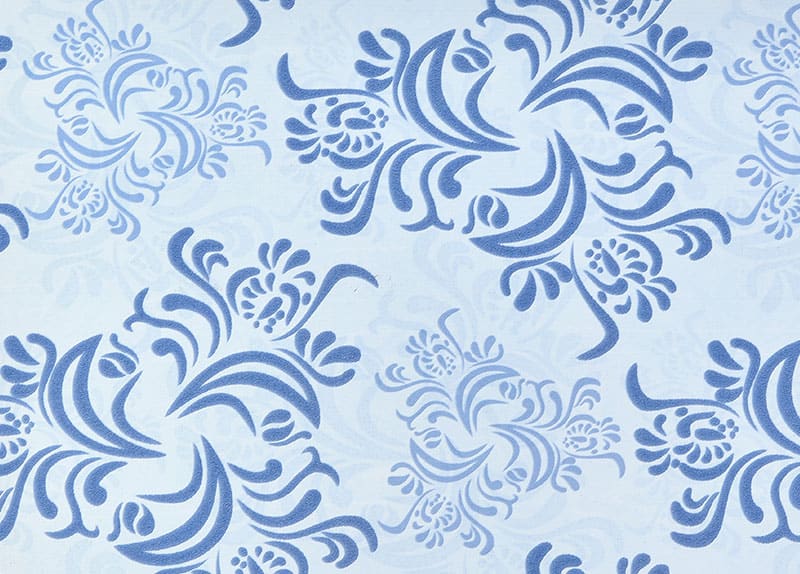
The adoption of printed PPGI coils provides several constructive benefits over traditional painting or natural materials, making it a high-performance choice for modern engineers.
Unlike natural wood that can rot or stone that can crack under thermal expansion, printed steel is engineered to withstand extreme conditions. The multi-layer coating system prevents moisture from reaching the steel core, effectively stopping rust. When coated with high-performance resins, these coils maintain color integrity for over 20 years.
Choosing printed PPGI significantly reduces project costs by eliminating the need for on-site painting and reducing labor hours. The surface is non-porous and easy to clean with standard solutions, requiring no periodic sealing or specialized treatments.
The versatility of the printed PPGI coil allows it to bridge the gap between industrial functionality and high-end architectural design.
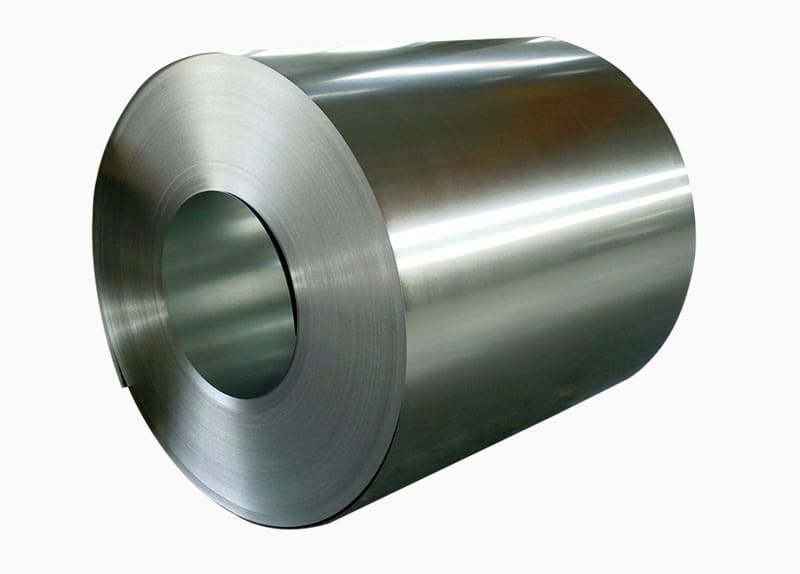
With high anti-rust performance, they are popular used in co...
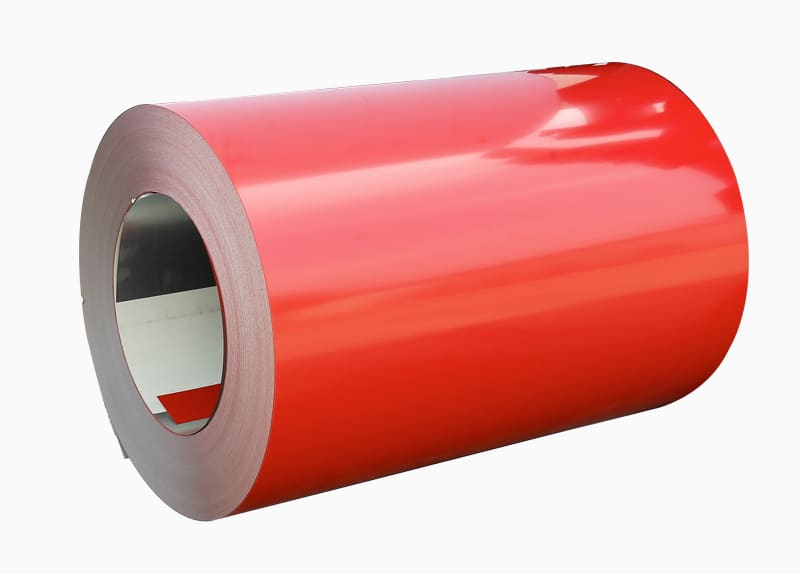
PPGI / PPGL COIL full name is prepainted galvanized / galval...
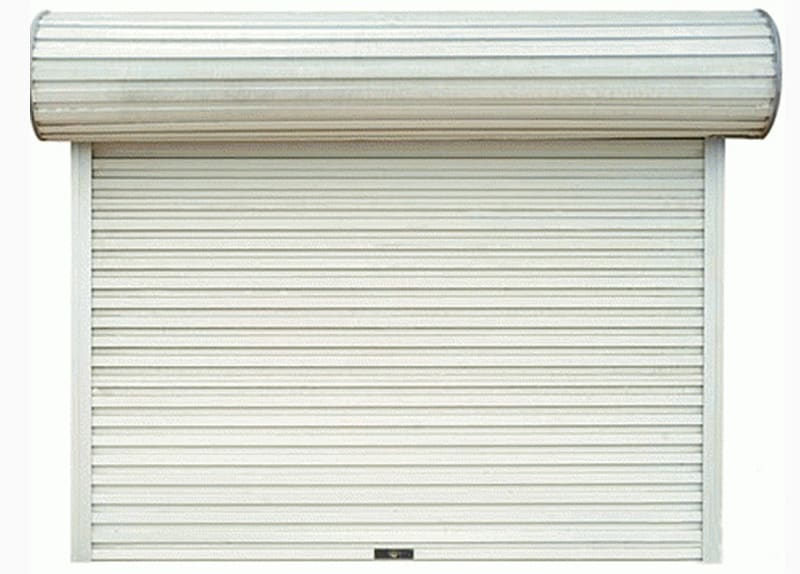
Port:Zhejiang,China Advantages of Our Prepainted Galvanized ...
APPLICATION OF PPGI Construction:Outside:Workshop, agricultu...