
- no.8,zaolin road,
longxiang street,
tongxiang,zhejiang,china - +86 573 89381086[email protected]
- DownloadsPDF Brochures
Steel is an alloy of iron and carbon, and while incredibly strong, its primary component, iron, is thermodynamically prone to reverting to its natural, oxidized state—rust. This chemical process, known as corrosion, is a continuous, costly threat to infrastructure worldwide. To make steel a viable, long-term building material, it must be shielded from moisture and oxygen. The modern solution that provides both ultimate protection and architectural freedom is the colored steel sheet.
A colored steel sheet (or pre-coated metal) is not a single material, but a high-performance laminate system designed to provide barrier protection, sacrificial protection, and aesthetic finish. Understanding its structure is key to appreciating its durability.
The journey begins with the steel substrate, which provides the structural integrity. This sheet is then passed through a bath of molten zinc or an aluminum-zinc alloy.
Before any organic paint is applied, the metallic layer is chemically treated. This pre-treatment layer serves two critical functions:
The final layers determine the appearance and the specific environmental resistance of the colored steel sheets. The paint system is typically composed of two distinct coats, both applied and cured under controlled conditions.
The advanced chemistry of colored steel sheets contributes significantly to building sustainability.
Many modern topcoats are engineered using infrared-reflective pigments. While they appear dark to the human eye, these pigments reflect the invisible, heat-generating infrared portion of the solar spectrum. This reduces the amount of heat transferred into the building, lowering air conditioning costs and mitigating the urban heat island effect.
Because the factory-applied coating can maintain its protective function and aesthetic appeal for 40 to 60 years, the need for maintenance, repainting, and replacement is drastically reduced. This extended service life minimizes the total environmental impact of the building envelope, making the colored steel sheet a preferred material for sustainable construction.
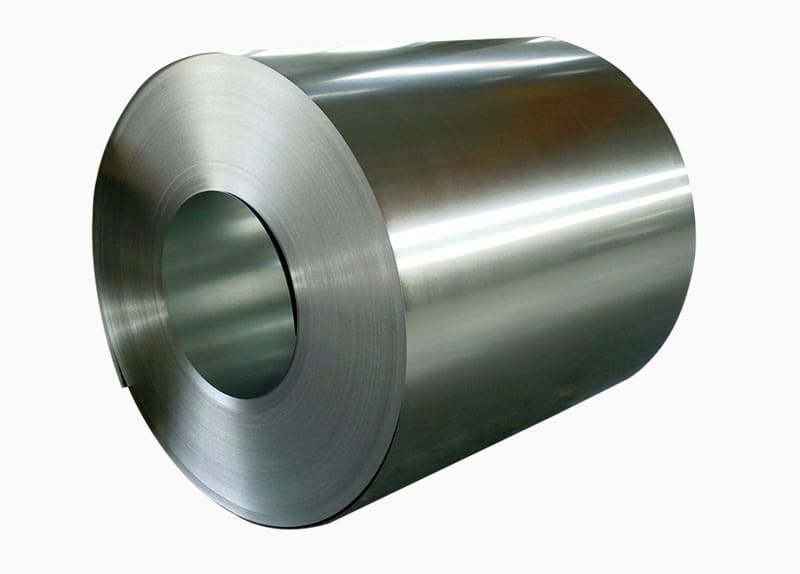
With high anti-rust performance, they are popular used in co...
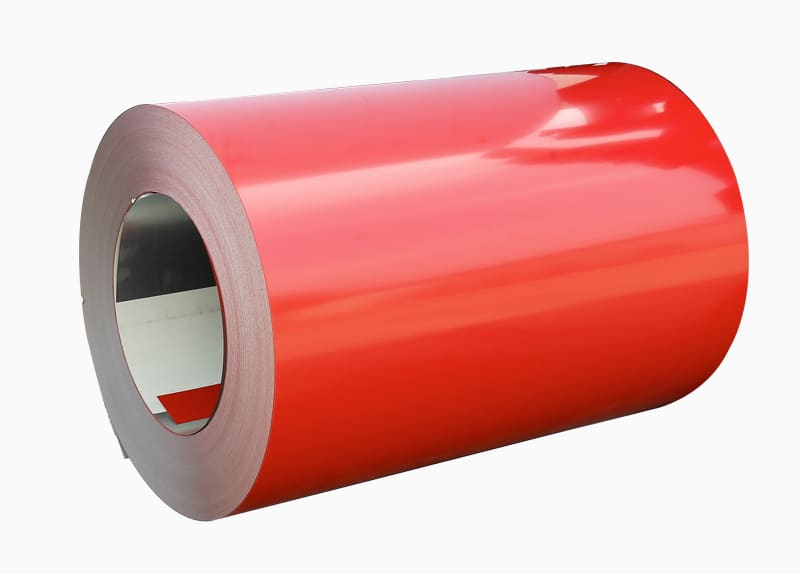
PPGI / PPGL COIL full name is prepainted galvanized / galval...
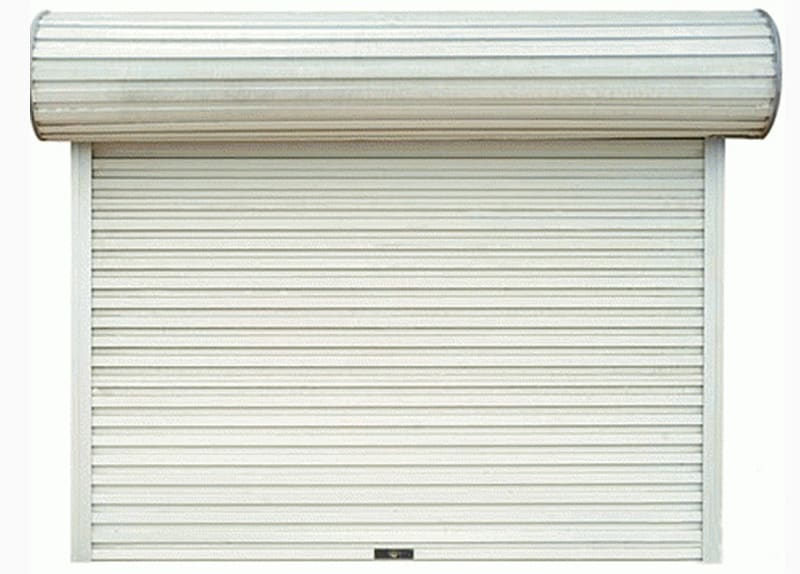
Port:Zhejiang,China Advantages of Our Prepainted Galvanized ...
APPLICATION OF PPGI Construction:Outside:Workshop, agricultu...