
- no.8,zaolin road,
longxiang street,
tongxiang,zhejiang,china - +86 573 89381086[email protected]
- DownloadsPDF Brochures
Printed PPGI coil — short for printed prepainted galvanized iron coil — is a cold-rolled steel substrate that has been hot-dip galvanized for corrosion resistance, then coated with a primer and a topcoat, and finally finished with a decorative printed pattern using a roller-coating or ink-transfer printing process. The result is a coil of flat steel that carries a surface image — wood grain, marble, stone, brick, tile, camouflage, geometric patterns, or custom designs — bonded directly into the paint system rather than applied as a separate film or laminate.
This product sits within the broader prepainted steel family, which includes standard solid-color PPGI and PPGL (prepainted galvalume), but the printed variant adds a visual dimension that allows architects, manufacturers, and builders to achieve complex surface aesthetics using a lightweight, cost-effective, and highly durable steel substrate. Unlike manually applied decorative films, the printed coating on a PPGI coil is integrated during continuous coil coating production, making it far more consistent, scalable, and weather-resistant than post-production surface treatments.
Printed color coated steel coil has become increasingly popular in construction, interior design, and appliance manufacturing as demand for visually differentiated surfaces — that still offer the structural and durability benefits of galvanized steel — continues to grow globally.
Understanding how the decorative pattern is applied to a PPGI coil helps you evaluate the quality of a finished product and understand why different printed steel products vary so significantly in durability and resolution.
Printed PPGI coil is produced on a continuous coil coating line — an industrial process where a steel coil is unwound, cleaned, chemically treated, and passed through a series of roller coaters and ovens in a single, uninterrupted pass. The base substrate is hot-dip galvanized steel (GI), though galvalume (GL) base is also used for certain applications. The coil first receives a chromate or chrome-free passivation treatment to enhance adhesion and corrosion resistance, followed by a primer coat that is cured in a thermal oven. On top of the cured primer, the base color coat is applied — this is the background color of the finished product.
The decorative pattern is applied using a multi-roll printing station positioned after the base coat. Engraved steel or rubber printing rollers carry the pattern image, and each roller applies a separate color layer in registration with the others — similar in principle to offset printing on paper, but adapted for a high-speed metal coil environment. Most wood grain and marble patterns require two to four color layers to achieve realistic depth and variation. The inks used are solvent-based or UV-curable polymer coatings, not simple printing inks, so they cure into a hard, durable surface layer rather than sitting as a fragile ink film on the surface.
After the pattern layers are applied and cured, most printed PPGI products receive a clear or lightly tinted protective topcoat. This transparent layer protects the printed pattern from abrasion, UV exposure, and chemical attack, and is critical to the long-term appearance retention of the product. Topcoat chemistry options include polyester (PE), high-durability polyester (HDP), polyvinylidene fluoride (PVDF), and silicon-modified polyester (SMP). The topcoat chemistry choice has a major impact on the product's service life in outdoor or high-UV environments.
The range of decorative patterns available on printed prepainted galvanized steel coil has expanded dramatically as roller engraving technology has improved. Here are the most commercially significant categories:
When specifying or purchasing printed color coated steel coil, a precise understanding of the technical parameters ensures the product performs as expected in your application. Here are the critical specifications:
| Parameter | Typical Range / Options | Notes |
| Base Steel Thickness | 0.13 mm – 1.5 mm | 0.3–0.7 mm most common for building panels |
| Coil Width | 600 mm – 1,250 mm | Check pattern repeat alignment at slit edges |
| Zinc Coating (Base) | Z60 – Z275 (g/m²) | Higher zinc = better cut-edge corrosion resistance |
| Top Coat DFT | 15 – 25 microns | Thicker topcoat = better pattern protection |
| Primer DFT | 5 – 10 microns | Epoxy primer preferred for corrosive environments |
| Topcoat Chemistry | PE / SMP / HDP / PVDF | PVDF = best UV and weather durability |
| Gloss Level | 10 – 85 GU (matte to high gloss) | Matte finishes enhance wood/stone realism |
| Yield Strength | 240 – 550 MPa | Higher strength grades for structural panels |
| Coil Weight | 3 – 8 MT per coil | Lighter coils may suit smaller roll forming lines |
One specification that is often overlooked is the back coat. Most printed PPGI coil has a plain back coat (typically 7–10 microns of polyester in a neutral gray or white color) applied to the reverse side of the coil. This back coat protects the reverse of the steel during processing and in service, and its quality affects the corrosion resistance of any folded or formed edges in the finished product.

Printed PPGI steel's combination of structural strength, light weight, corrosion resistance, and visual versatility makes it suitable for a wide range of end uses. Here are the primary application segments:
This is by far the largest application segment. Wood grain and brick-pattern printed PPGI coil is roll-formed into wall cladding panels, roofing sheets, fascia boards, soffit panels, and architectural trim for residential, commercial, and industrial buildings. The visual appeal of natural materials combined with the low maintenance and long service life of coated steel makes this a compelling choice for facade applications. Printed steel wall panels are significantly lighter than the masonry or timber materials they replicate, reducing structural loading and installation time and cost.
In interior applications, printed prepainted steel coil is used for suspended ceiling tiles, wall panel systems, column cladding, lift cab interiors, retail fixture panels, and partition systems. Marble and stone patterns are particularly popular in high-traffic commercial interiors such as shopping centers, hotels, and office lobbies, where the visual richness of natural stone is desired but weight, fragility, and maintenance concerns make real stone impractical. Steel-backed printed panels can be installed with standard metal framing systems and are easy to replace if damaged.
Refrigerator door panels, washing machine lids, microwave exteriors, and air conditioner housings are among the appliance components that use printed PPGI coil. Appliance manufacturers use printed steel as a cost-effective alternative to glass panels, stainless steel, or painted plastic where a premium appearance is required. Wood grain and metallic-effect prints are particularly common on refrigerators and kitchen appliances where a contemporary or premium look is desired at a competitive cost.
Steel furniture, storage systems, office shelving, and cabinetry use printed PPGI as a substrate for panel components. Wood grain patterns allow steel furniture to mimic the appearance of wood-veneer or laminate board furniture, while offering superior strength-to-weight ratio, moisture resistance, and resistance to delamination — problems that commonly affect MDF-based furniture in humid environments.
Camouflage-pattern printed PPGI is used in military vehicle body panels, transport containers, and military shelter systems. Decorative printed steel panels are also found in train interiors, bus and coach wall linings, and caravan or RV panel systems. The combination of light weight, flat surface for printing, and metal strength is well-suited to these transport applications.
When specifying a decorative steel product, buyers often need to choose between printed PPGI coil, PVC-laminated steel coil, and standard solid-color prepainted steel. Here's a direct comparison:
| Feature | Printed PPGI Coil | PVC Laminated Steel | Solid Color PPGI |
| Pattern variety | Very high | High | Low (color only) |
| Outdoor UV durability | Good to Excellent (PVDF) | Moderate (PVC yellows) | Good to Excellent |
| Formability / bending | Good | Moderate (film can crack) | Excellent |
| Temperature resistance | Good (up to ~120°C) | Limited (PVC softens) | Good |
| Cost | Moderate premium over base | Higher premium | Base price |
| RoHS / environmental | Compliant (chrome-free available) | PVC content a concern | Compliant |
| MOQ flexibility | Moderate (roller setup cost) | Moderate | Very flexible |
The key takeaway from this comparison is that printed PPGI coil offers the best balance of pattern variety, outdoor durability, and formability when a decorative pattern surface is required. PVC laminated steel can achieve very high-resolution patterns (since the film is printed separately before lamination), but its long-term UV and temperature performance is weaker, and there are increasing regulatory pressures on PVC-containing products in some markets. Solid color PPGI remains the cost-effective choice where pattern decoration is not needed.
Quality control in printed PPGI production covers both the steel substrate and the coating system. Reputable manufacturers produce to recognized international standards, and buyers should verify compliance before committing to a large order. The most relevant standards include:
Sourcing printed prepainted galvanized steel coil — particularly from offshore manufacturers — requires careful specification and supplier qualification to ensure the material meets your application requirements. Here are the most important points to verify:
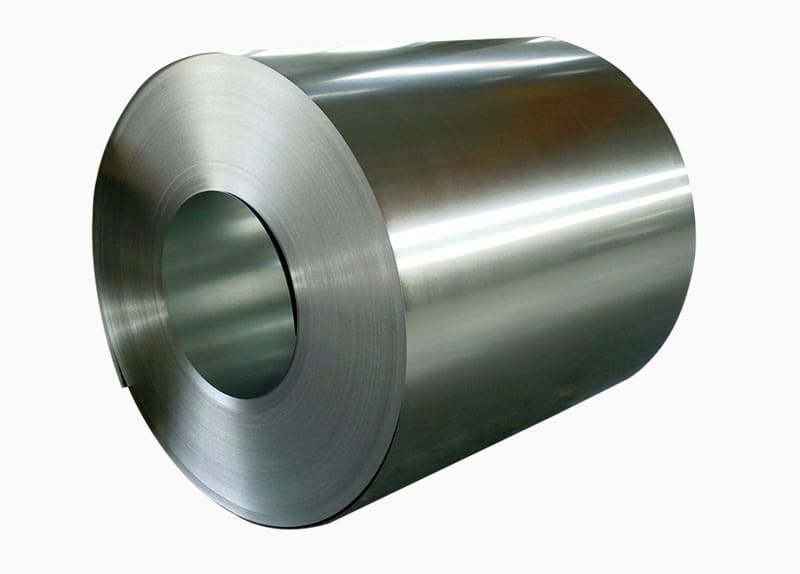
With high anti-rust performance, they are popular used in co...
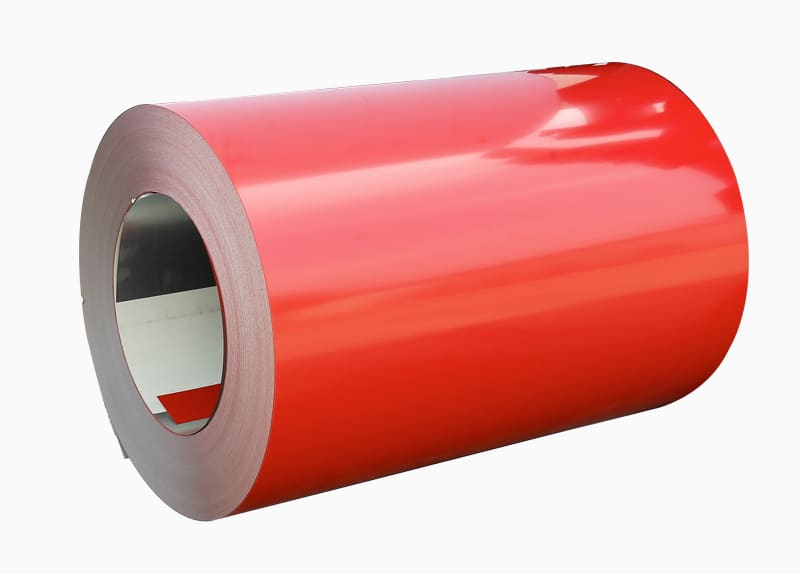
PPGI / PPGL COIL full name is prepainted galvanized / galval...
Port:Zhejiang,China Advantages of Our Prepainted Galvanized ...
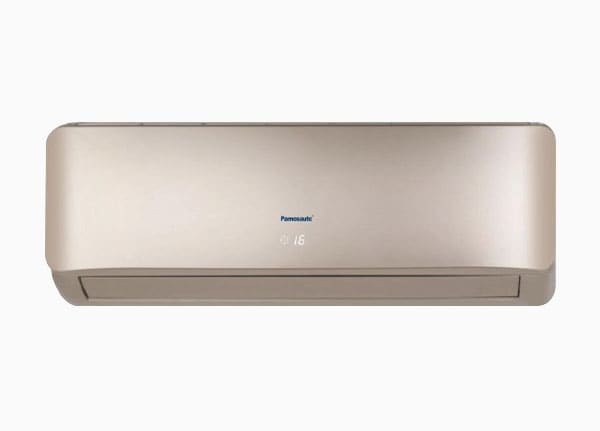
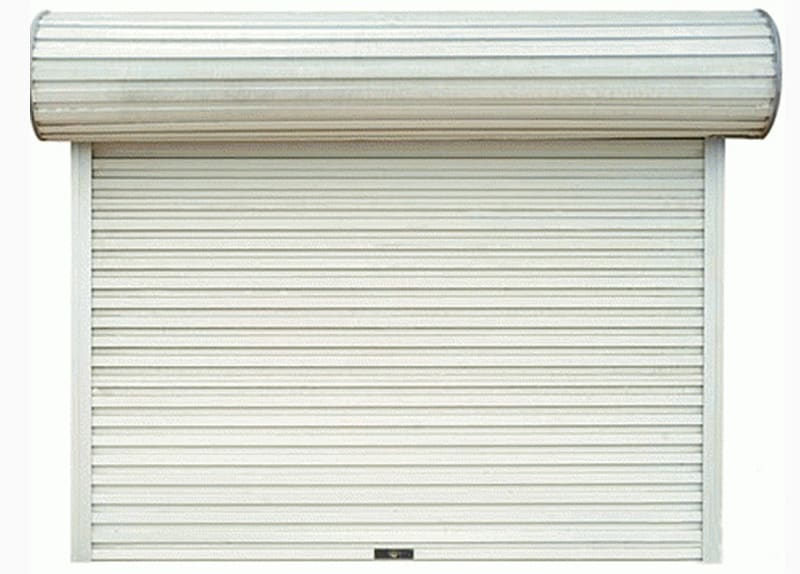
APPLICATION OF PPGI Construction:Outside:Workshop, agricultu...