
- no.8,zaolin road,
longxiang street,
tongxiang,zhejiang,china - +86 573 89381086[email protected]
- DownloadsPDF Brochures
When comparing PPGI vs PPGL, the key difference lies in the base metal coating used before painting. PPGI stands for Pre-Painted Galvanized Iron, while PPGL refers to Pre-Painted Galvalume steel.
PPGI uses a zinc-coated steel substrate, whereas PPGL uses a zinc-aluminum alloy coating (typically aluminum, zinc, and silicon). This difference in coating composition directly affects corrosion resistance, lifespan, and application suitability.
Understanding the technical differences between PPGI steel and PPGL steel helps in selecting the right material for specific environments and uses.
| Feature | PPGI | PPGL |
| Base Coating | Zinc (GI) | Aluminum-Zinc Alloy |
| Corrosion Resistance | Moderate | High |
| Heat Resistance | Standard | Better |
| Cost | Lower | Higher |
| Typical Use | Indoor / mild outdoor | Outdoor / harsh environments |
This table highlights why PPGL is often preferred for long-term outdoor applications, while PPGI is suitable for cost-sensitive or less demanding environments.
In coastal or high-humidity regions, PPGL performs significantly better due to its aluminum content, which forms a protective barrier against oxidation. PPGI, while still corrosion-resistant, may degrade faster under the same conditions.
PPGL generally offers a longer service life, especially for roofing and cladding exposed to sun, rain, and temperature fluctuations. PPGI is reliable for shorter-term or indoor use, such as partitions and decorative panels.
Both materials support high-quality paint finishes, but PPGI often provides slightly better initial paint adhesion due to the zinc surface. However, modern coating technologies have minimized this gap in PPGL products.
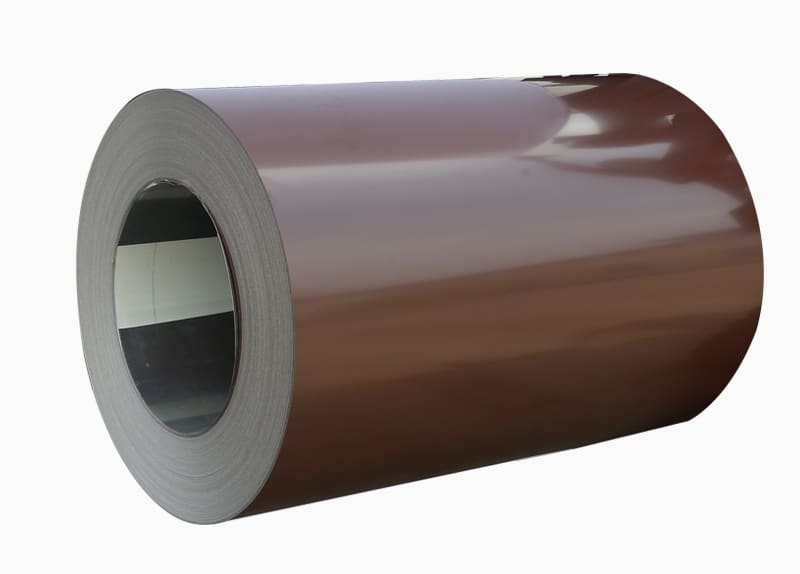
Choosing between prepainted galvanized vs galvalume steel depends on your project conditions and budget.
Matching the material to the environment is critical to avoid premature failure and unnecessary maintenance costs.
At first glance, PPGI appears more economical due to its lower upfront cost. However, when evaluating PPGI vs PPGL over the long term, PPGL often delivers better value because of its extended lifespan and reduced maintenance requirements.
For projects where durability and environmental resistance are critical, investing in PPGL can significantly lower total lifecycle costs. For short-term or budget-restricted projects, PPGI remains a practical option.
When sourcing PPGI or PPGL steel, consider the following factors to ensure consistent quality and performance:
Making informed decisions at the purchasing stage can prevent costly issues during installation and long-term use.
The choice between PPGI vs PPGL ultimately depends on your project requirements, environmental conditions, and budget. PPGI is a cost-effective solution for less demanding applications, while PPGL offers superior durability and corrosion resistance for long-term outdoor use.
By clearly understanding the differences and evaluating your specific needs, you can select the most suitable material and ensure optimal performance for your project.
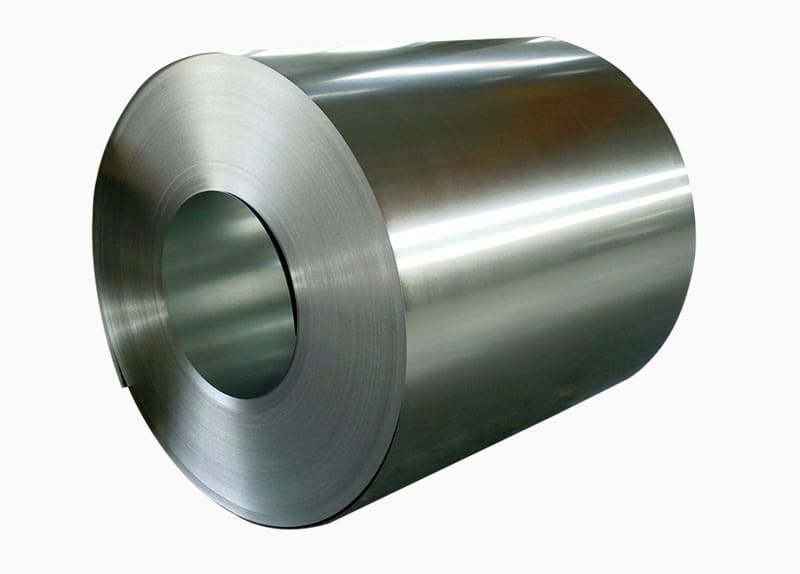
With high anti-rust performance, they are popular used in co...
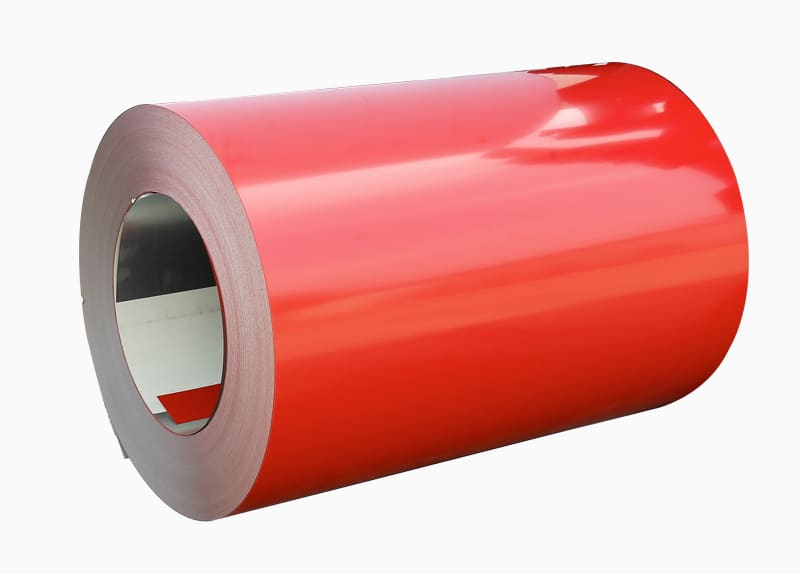
PPGI / PPGL COIL full name is prepainted galvanized / galval...
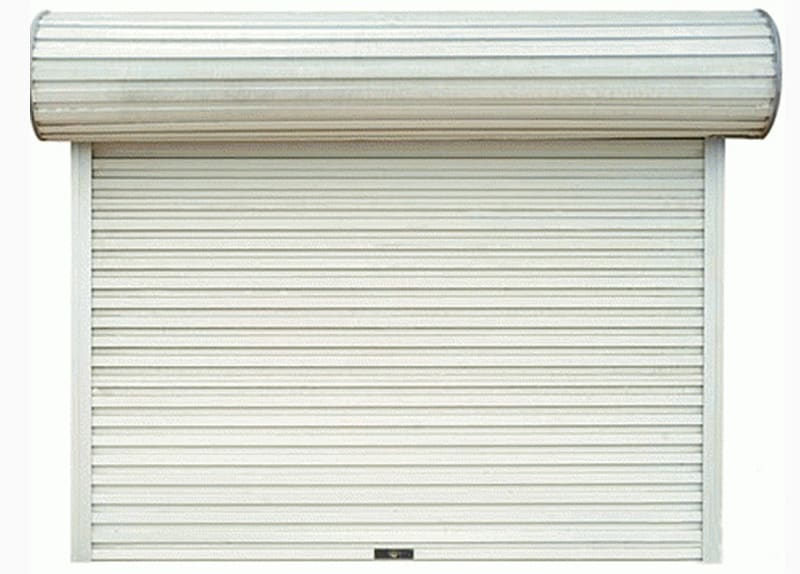
Port:Zhejiang,China Advantages of Our Prepainted Galvanized ...
APPLICATION OF PPGI Construction:Outside:Workshop, agricultu...