
- no.8,zaolin road,
longxiang street,
tongxiang,zhejiang,china - +86 573 89381086[email protected]
- DownloadsPDF Brochures
In the modern construction landscape, PPGI (Pre-Painted Galvanized Iron) and PPGL (Pre-Painted Galvalume) coils have become indispensable materials. These products are created through a sophisticated coating process where liquid paint is applied to metallic-coated steel substrates. While PPGI utilizes a pure zinc coating to prevent oxidation, PPGL features an alloy coating consisting of approximately 55% aluminum, 43.4% zinc, and 1.6% silicon. This chemical distinction is critical for engineers and contractors when selecting materials for specific environments, as it dictates the metal's longevity and resistance to atmospheric stressors.
The primary draw for these materials in construction is their multi-layered protection system. The base steel provides structural integrity, the metallic coating offers sacrificial or barrier protection, and the top paint layer acts as a shield against UV radiation and moisture. PPGL is particularly favored in coastal regions or areas with high acid rain levels because the aluminum component in its coating provides superior heat reflectivity and barrier protection compared to standard galvanized surfaces.
Selecting the right coil requires an understanding of technical parameters that impact the performance of the final building component. Standard construction projects typically demand specific thickness ranges and coating weights to ensure the structure meets local building codes and safety standards. The following table highlights the typical specifications found in high-quality construction-grade coils:
| Specification Parameter | PPGI (Typical Range) | PPGL (Typical Range) |
| Base Metal Thickness | 0.12mm - 2.0mm | 0.15mm - 1.5mm |
| Coating Mass (AZ/Z) | 30 - 275 g/m² | 30 - 150 g/m² |
| Paint Thickness (Top) | 10 - 30 microns | 10 - 25 microns |
| Paint Type | PE, PVDF, HDP, SMP | PE, PVDF, HDP, SMP |
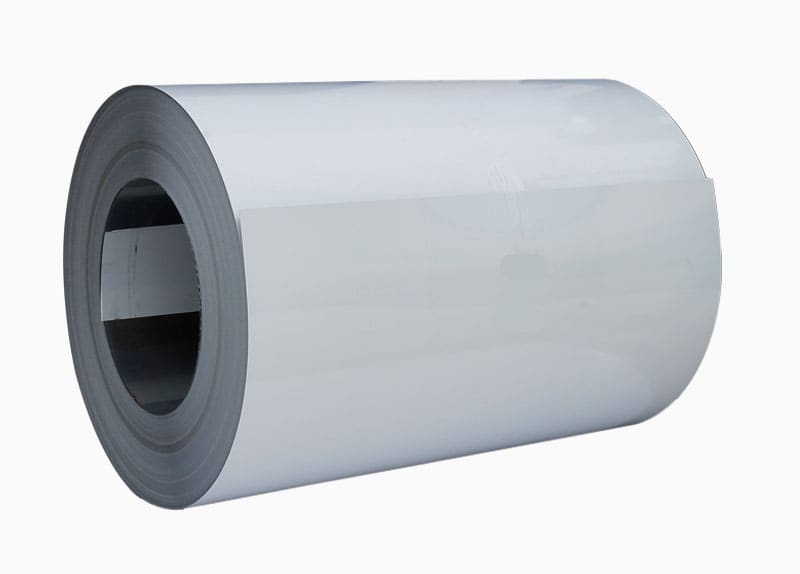
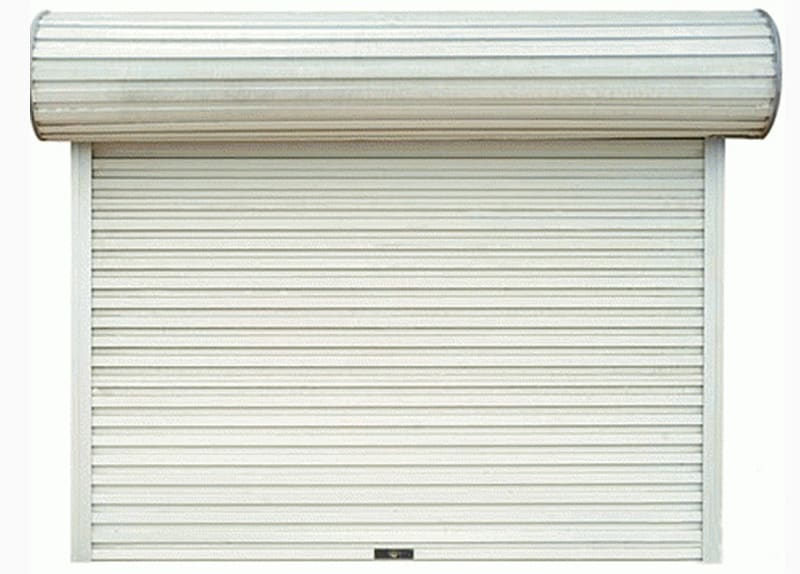
PPGI and PPGL coils are processed into various forms to serve different functional roles in a building. Because they are lightweight yet strong, they reduce the overall load on the building's foundation, allowing for more cost-effective structural designs. Their versatility enables architects to achieve sleek, modern aesthetics without compromising on the protective qualities of the building envelope.
The industrial "coil coating" process offers several advantages over traditional field-applied coatings. When steel is painted in a controlled factory environment, the surface preparation is much more rigorous, involving multiple cleaning and chemical treatment stages. This ensures that the bond between the paint and the metal is significantly stronger, leading to a finish that will not peel or flake under extreme weather conditions.
Using PPGI/PPGL coils for construction contributes to faster construction timelines as the materials arrive pre-finished and ready for installation. This eliminates the labor costs and weather-dependency of on-site painting. Furthermore, modern coil coating facilities are designed to capture and incinerate Volatile Organic Compounds (VOCs), making it a more environmentally friendly choice compared to open-air spray painting on a construction site. The longevity of these materials also means lower maintenance costs and a longer lifecycle for the building.
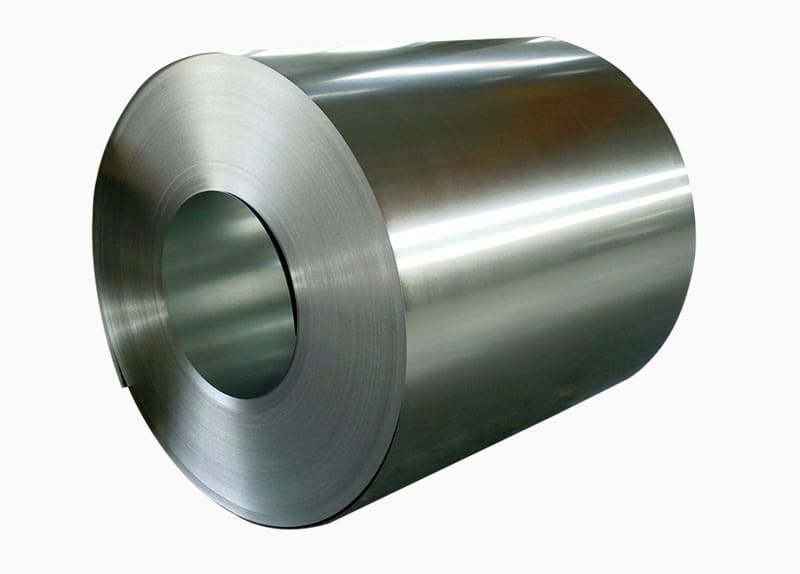
With high anti-rust performance, they are popular used in co...
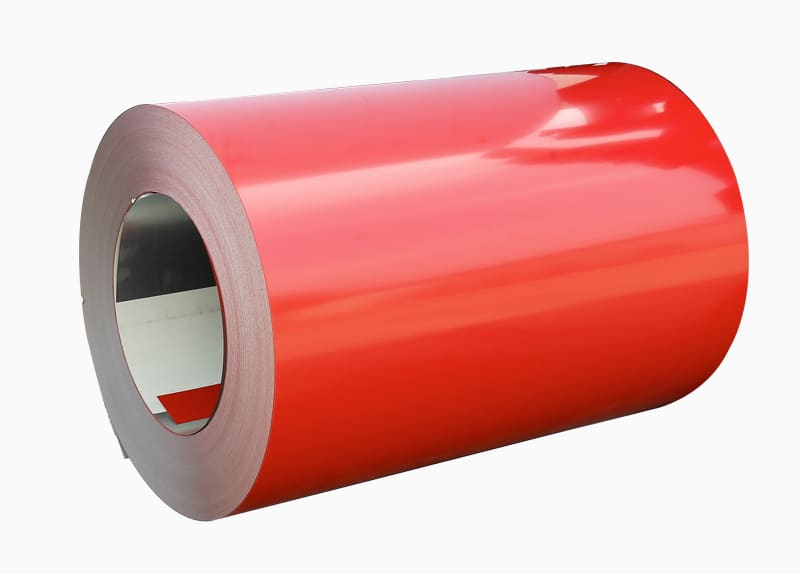
PPGI / PPGL COIL full name is prepainted galvanized / galval...
Port:Zhejiang,China Advantages of Our Prepainted Galvanized ...
APPLICATION OF PPGI Construction:Outside:Workshop, agricultu...