
- no.8,zaolin road,
longxiang street,
tongxiang,zhejiang,china - +86 573 89381086[email protected]
- DownloadsPDF Brochures
Pre-Painted Galvanized Iron, widely known by its acronym PPGI, is a marvel of modern materials science and a cornerstone in various industries. Far more than just a sheet of metal, PPGI steel is a sophisticated composite material designed for superior performance, aesthetics, and longevity.
The strength of PPGI lies in its layered structure, meticulously engineered to combine the mechanical robustness of steel with the protective and decorative qualities of paint.
Base Steel Substrate: The foundation is typically cold-rolled steel (CR) sheet. This base provides the essential mechanical strength and formability of the final product.
Zinc Coating (Galvanization): The base steel is continuously hot-dip galvanized (GI). This zinc layer acts as a sacrificial anode, providing outstanding corrosion protection to the steel core. Even if the coating is scratched, the zinc will corrode before the steel, preserving the substrate.
Pre-Treatment Layer: Before painting, a chemical conversion coating is applied. This layer (e.g., chromate, chrome-free) serves two critical functions:
Enhancing Adhesion: It chemically prepares the zinc surface for the primer coat.
Boosting Corrosion Resistance: It adds an extra layer of protection against rust.
Primer Coat: A thin layer of primer is applied and baked. The primer is crucial for adhesion between the pre-treatment layer and the topcoat, ensuring the paint system remains intact.
Top/Finish Coat (The Color): This is the final and outermost layer, applied on the exposure side (the visible surface). It contains the color pigments and provides the primary UV resistance, weatherability, and desired aesthetic finish (gloss, matte, texture).
Back Coat (Optional/Standard): A protective layer is also applied to the back of the sheet. While often thinner and less expensive than the topcoat, it still provides essential handling protection and supplementary corrosion resistance.
PPGI is produced through a highly automated and precise industrial process known as Continuous Coil Coating (CCC) or Coil-to-Coil painting.
Uncoiling and Preparation: The galvanized steel coil is unwound and fed into the line.
Cleaning and Pre-Treatment: The strip undergoes alkaline cleaning and water rinsing to remove oils and dirt, followed by the application of the chemical conversion coating.
Primer Application and Curing: The primer is applied via roller coating, followed immediately by passing the strip through a high-temperature curing oven to bake the paint onto the metal.
Topcoat Application and Curing: The topcoat is applied in the same manner (wet-on-dry) and cured in a second, highly-controlled curing oven. The precise temperature and dwell time are critical for achieving the final paint properties.
Cooling and Recoiling: The painted strip is cooled, inspected for color and quality, and then recoiled, ready for shipment or further processing (slitting, profiling, etc.).
This continuous, highly controlled process ensures uniformity in film thickness, color consistency, and paint adhesion across the entire coil, which is a significant advantage over post-painting methods.
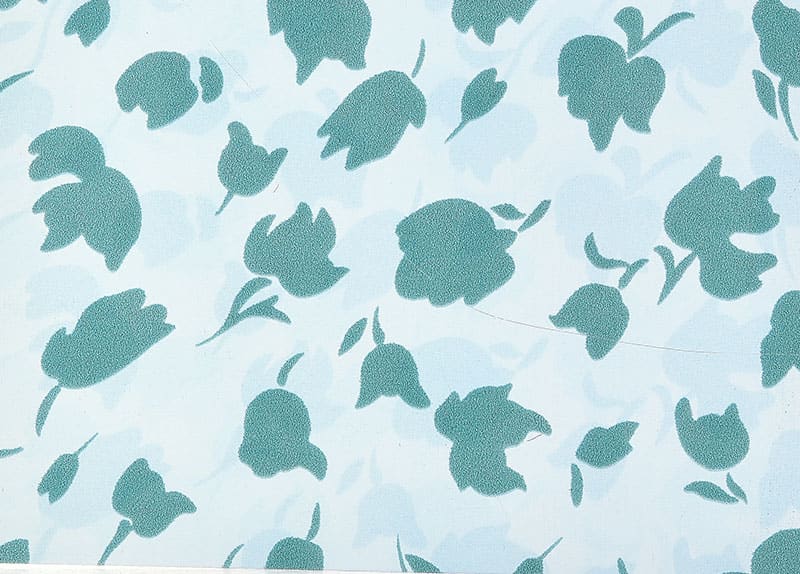
The combination of the base material and the coating system imbues PPGI steel with several high-performance features:
Superior Corrosion Resistance: Thanks to the zinc layer and the multi-layered paint system, PPGI exhibits excellent resistance to various atmospheric conditions, moisture, and chemical exposure. This longevity is a primary driver of its value.
Aesthetic Versatility: PPGI offers an unlimited color palette (based on RAL or custom codes) and various finishes, including standard polyester (PE), silicone-modified polyester (SMP), high-durability polyester (HDP), and polyvinylidene fluoride (PVDF). This makes it highly adaptable to architectural requirements.
UV and Weather Resistance: High-performance coatings like PVDF or HDP are specifically formulated to resist fading, chalking (the deterioration of the paint binder), and color changes caused by prolonged exposure to sunlight and harsh weather.
Excellent Formability: The paint system is designed to be flexible. This means the steel can be roll-formed, bent, and stamped into complex profiles (e.g., roofing sheets, wall panels) after painting without the paint cracking, peeling, or losing adhesion.
Cost-Effectiveness and Speed: The material is ready for use immediately upon delivery. This eliminates the need for costly and time-consuming on-site painting, accelerating construction and fabrication projects.
Eco-Friendly Options: Modern coil coating lines are designed to minimize VOC (Volatile Organic Compound) emissions, and the durability of the product contributes to its sustainability by extending the material's service life.
PPGI's versatility means it is used across a vast spectrum of industries, including:
Construction/Architecture: Roofing sheets, wall cladding, sandwich panels, gutters, and structural elements for both residential and commercial buildings.
Home Appliances: Casing for refrigerators, washing machines, air conditioners, and other white goods.
Transportation: Interior panels for buses and trains.
Furniture: Office furniture and storage shelving.
General Fabrication: Doors, window frames, and various enclosures.
PPGI steel is a prime example of an engineered material where the whole is greater than the sum of its parts. By seamlessly integrating the mechanical strength of galvanized steel with the protective and decorative qualities of high-performance coatings, it delivers a product that is strong, beautiful, durable, and highly economical. Its inherent ready-to-use nature and vast aesthetic potential ensure its continued dominance in the construction and manufacturing sectors worldwide.
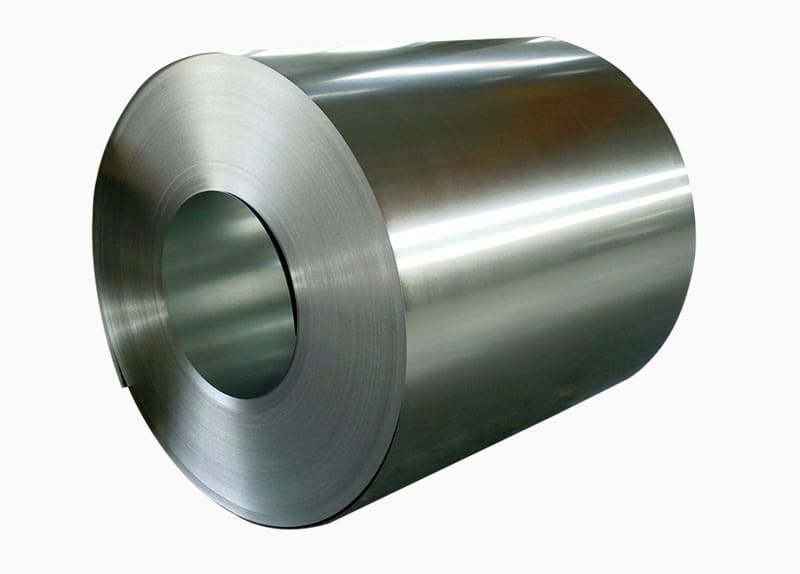
With high anti-rust performance, they are popular used in co...
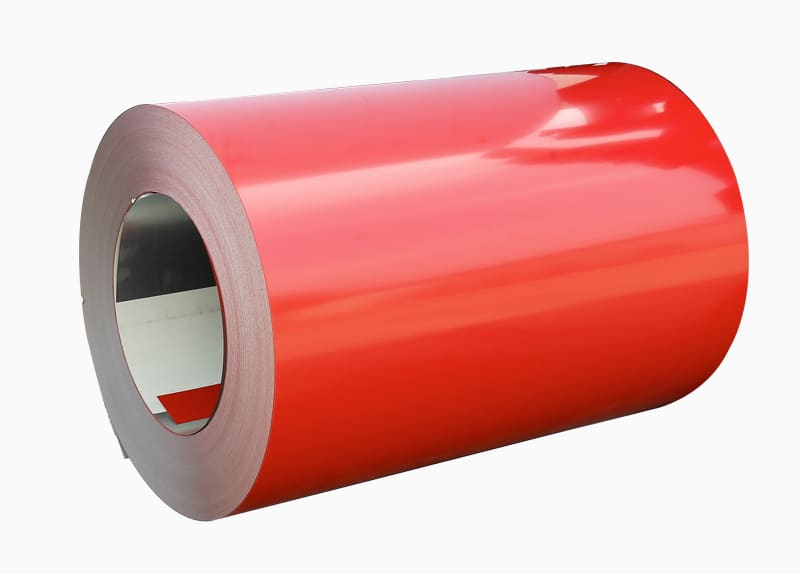
PPGI / PPGL COIL full name is prepainted galvanized / galval...
Port:Zhejiang,China Advantages of Our Prepainted Galvanized ...
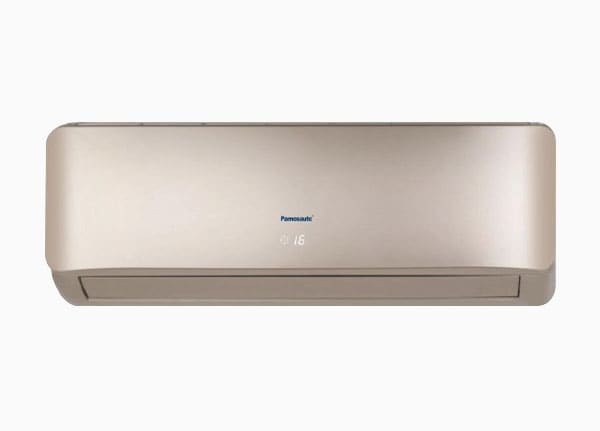
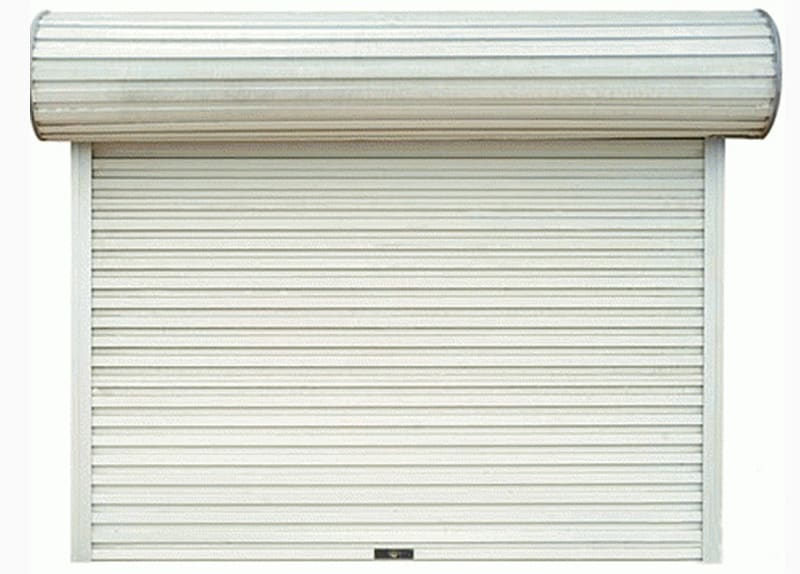
APPLICATION OF PPGI Construction:Outside:Workshop, agricultu...