
- no.8,zaolin road,
longxiang street,
tongxiang,zhejiang,china - +86 573 89381086[email protected]
- DownloadsPDF Brochures
Color coated steel coils, often referred to as pre-painted steel, are not merely metal sheets with a layer of paint. They are complex composite materials engineered for longevity. The process begins with a base metal, typically cold-rolled steel, which is then galvanized (coated with zinc) or galvalume (coated with a zinc-aluminum alloy) to provide primary corrosion resistance. This metallic coating is followed by a chemical pretreatment layer that ensures maximum adhesion for the subsequent coatings. A primer is then applied to provide additional chemical protection and a smooth surface, followed by the finish paint layer which gives the coil its final color and environmental resistance. This sophisticated layering system ensures that the steel can withstand harsh weather conditions without peeling or rusting for decades.
The performance of color coated steel depends heavily on the type of resin used in the topcoat. Selecting the right coating is essential for balancing cost with the specific environmental challenges of the installation site. Here are the most common coating systems used in the industry today:
When ordering color coated steel coils, technical parameters must be precisely defined to ensure the material meets structural requirements. The following table summarizes the typical specifications found in high-quality industrial production:
| Parameter | Standard Range | Common Application |
| Thickness | 0.12 mm - 2.0 mm | Roofing and Cladding |
| Width | 600 mm - 1250 mm | Corrugated Sheets |
| Zinc Coating | Z30 - Z275 g/m² | Anti-corrosion Level |
| Top Paint Film | 15 - 35 microns | Color & UV Protection |
Color coated steel coils have become a staple in modern infrastructure due to their versatility and aesthetic appeal. Beyond standard factory roofing, these materials are increasingly used in complex architectural designs. Because the paint is applied in a continuous coil coating process, the color uniformity is far superior to spray-painting after fabrication. This makes it a preferred choice for large-scale facades where visual consistency is paramount.
In the industrial sector, these coils are processed into sandwich panels or single-skin cladding. Their lightweight nature reduces the load on the building's structural frame, while the reflective properties of certain light colors can significantly lower cooling costs, contributing to energy efficiency in large warehouses and cold storage facilities.
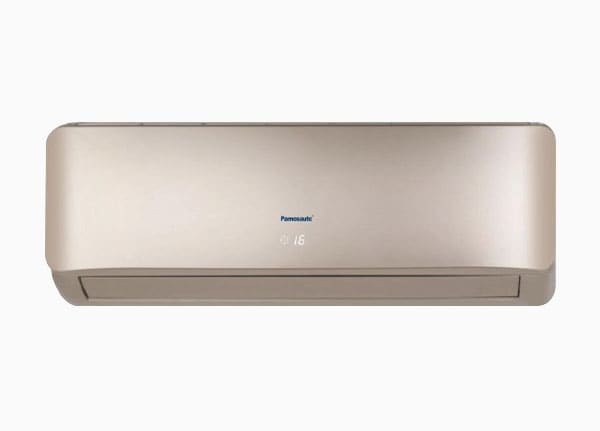
High-end color coated steel is also finding its way into the home appliance market. Refrigerator side panels, washing machine shells, and microwave exteriors often utilize specialized coated steel that offers anti-fingerprint and scratch-resistant properties. Indoors, it is used for fire-resistant doors and decorative ceiling panels, providing a sleek, modern finish that is easy to maintain.
To maximize the lifespan of color coated steel products, proper handling during transportation and installation is critical. Surface scratches can expose the underlying metallic coating, and while the sacrificial protection of zinc will prevent immediate rusting, it can lead to localized "white rust" or premature edge creep if not addressed. It is recommended to use specialized lifting tools and avoid dragging sheets across one another. Periodic cleaning with water and mild detergents is often sufficient to remove accumulated salts and pollutants, ensuring the finish remains vibrant for the duration of its service life.
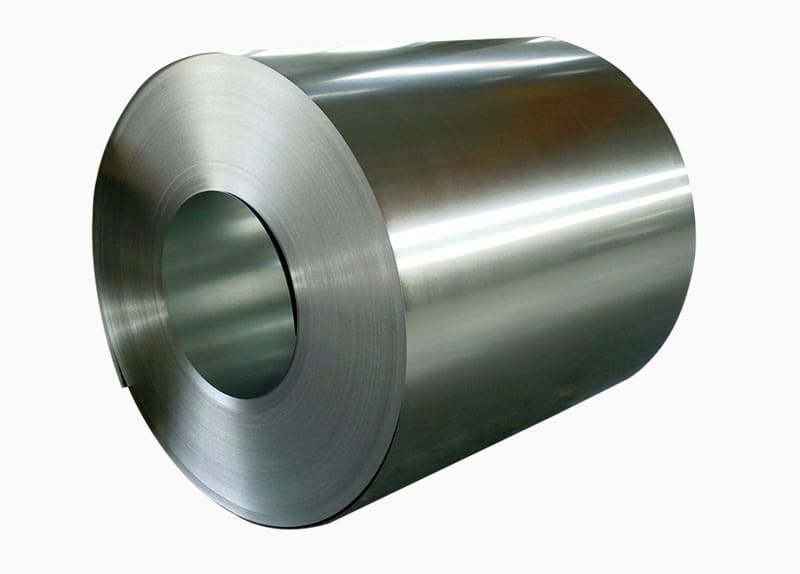
With high anti-rust performance, they are popular used in co...
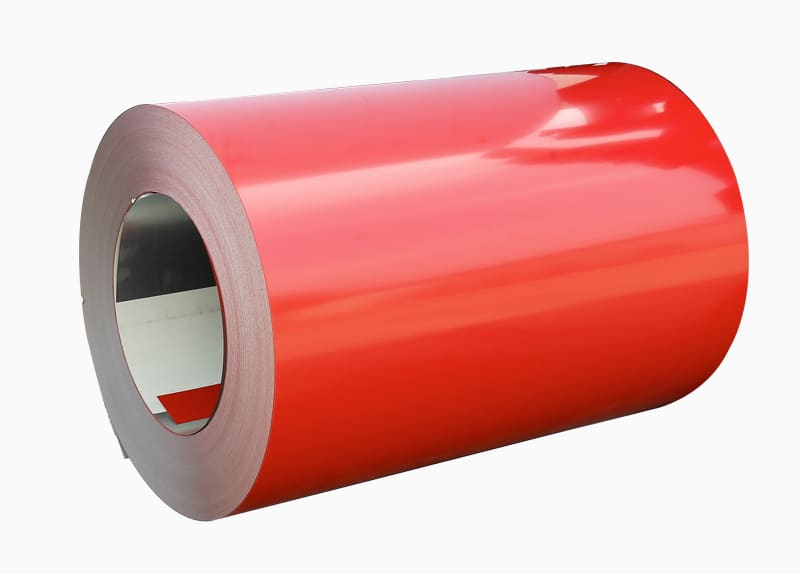
PPGI / PPGL COIL full name is prepainted galvanized / galval...
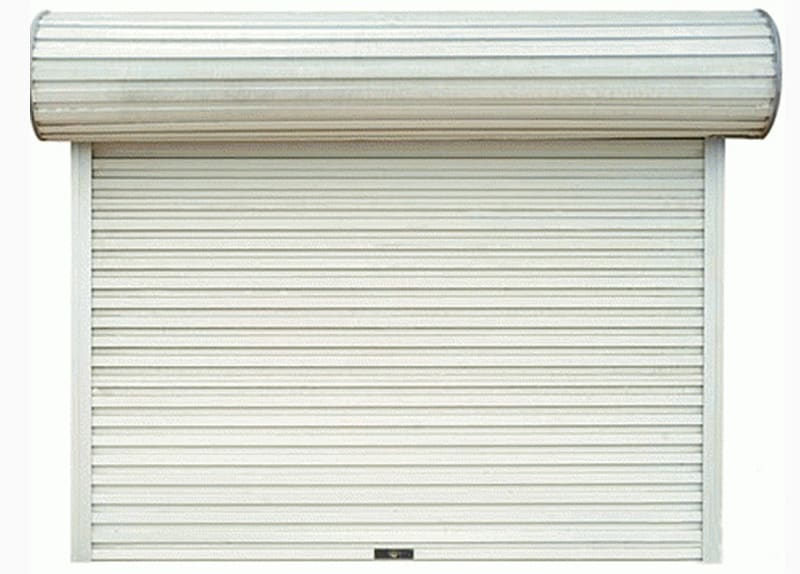
Port:Zhejiang,China Advantages of Our Prepainted Galvanized ...
APPLICATION OF PPGI Construction:Outside:Workshop, agricultu...