
- no.8,zaolin road,
longxiang street,
tongxiang,zhejiang,china - +86 573 89381086[email protected]
- DownloadsPDF Brochures
Steel coils are long, continuous strips of steel that have been rolled into a tight cylindrical shape for easy storage, transportation, and processing. They serve as the primary raw material for a massive range of industries — from automotive and construction to appliance manufacturing and packaging. When you see a car door panel, a refrigerator casing, or a corrugated metal roof, there is a very good chance it started as a flat-rolled steel coil somewhere along the supply chain.
Understanding what you are actually buying when you order steel coils is critical. The wrong grade, coating, or thickness can lead to costly production failures, rejected parts, or structural problems down the line. This guide breaks down the key things every buyer, fabricator, or procurement manager should understand before placing an order.
Not all steel coils are created equal. The type you need depends on your application, the surface finish required, the forming or welding processes involved, and the environment in which the finished product will operate. Here are the most common categories:
Hot rolled steel coils are produced by rolling steel slabs at extremely high temperatures — typically above 1,700°F (926°C). At this temperature, the steel is malleable and easy to shape. The result is a coil with a rough, scaled surface finish and slightly looser dimensional tolerances. Hot rolled coils are generally the most cost-effective option and are widely used in structural applications, pipes, tubes, and heavy equipment where surface appearance is not a priority.
Cold rolled steel coils start as hot rolled coils that are further processed at room temperature. The additional rolling reduces thickness, improves surface finish, and tightens dimensional tolerances significantly. Cold rolled steel has a smoother, cleaner appearance and higher strength due to work hardening. It is the preferred choice for automotive body panels, metal furniture, appliances, and any application requiring a paint-ready or precision surface.
Galvanized steel coils have been coated with a layer of zinc to protect against corrosion. There are two main methods: hot-dip galvanizing, where the steel strip is passed through a bath of molten zinc, and electrogalvanizing, which uses an electrochemical process for a thinner, more uniform coating. Galvanized coils are heavily used in roofing, wall panels, HVAC ductwork, and outdoor structural components where moisture resistance is essential.
Galvalume coils are coated with a combination of aluminum and zinc, offering superior corrosion resistance compared to standard galvanized products, especially in high-humidity or coastal environments. Aluminized steel coils are coated with aluminum-silicon alloy and are particularly suited for high-temperature applications such as automotive exhaust systems and heat shields.
Pre-painted steel coils — often called PPGI (Pre-Painted Galvanized Iron) — are galvanized coils with an additional layer of primer and paint applied in a continuous coil coating line. These are ready to use in visible applications without further painting. They are extremely common in building facades, garage doors, household appliances, and commercial roofing systems.
When you request a quote or place an order for steel coils, you will need to specify a set of technical parameters. Getting these right is just as important as choosing the right type of steel. Here is a breakdown of the most critical specs:
| Specification | What It Means | Typical Range |
| Thickness | The gauge of the steel strip | 0.2mm – 25mm |
| Width | The strip width of the coil | 600mm – 2,000mm |
| Coil Weight | Total weight per coil unit | 3 – 30 metric tons |
| Inner Diameter (ID) | The bore hole for uncoiling mandrels | 508mm or 610mm |
| Outer Diameter (OD) | The total external diameter of the coil | Up to 2,200mm |
| Yield Strength | Stress point before permanent deformation | Varies by grade |
| Coating Weight | Amount of zinc or other coating applied | Z60 – Z275 (g/m²) |
Always request a mill test certificate (MTC) from your supplier. This document confirms the actual chemical composition and mechanical properties of the specific heat or coil batch you are receiving, and it is your proof of compliance with any applicable standards such as ASTM, EN, JIS, or GB.

Steel coil grades define the chemical composition and mechanical performance of the material. Choosing the wrong grade can mean the difference between a product that performs reliably for decades and one that fails prematurely. Here are some of the most widely used grades:
The steel coil market includes a wide range of suppliers, and not all of them deliver what they promise. Knowing the warning signs can save you from expensive surprises. Watch out for the following issues:
Proper storage and handling of steel coils is not just a quality issue — it is a safety issue. Steel coils can weigh anywhere from a few hundred kilograms to over 30 metric tons, and improper handling can result in coil collapse, crushing injuries, or material damage that makes the steel unusable.
Here are the key practices for safe storage and handling:
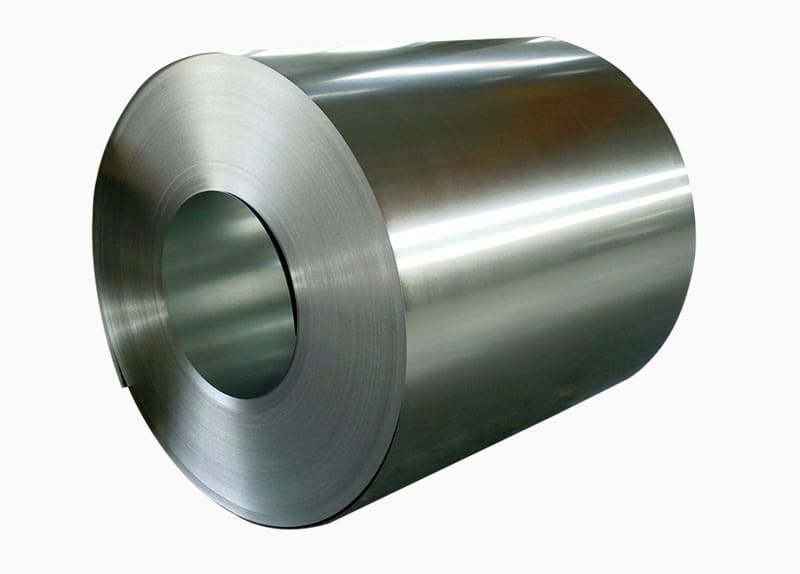
With high anti-rust performance, they are popular used in co...
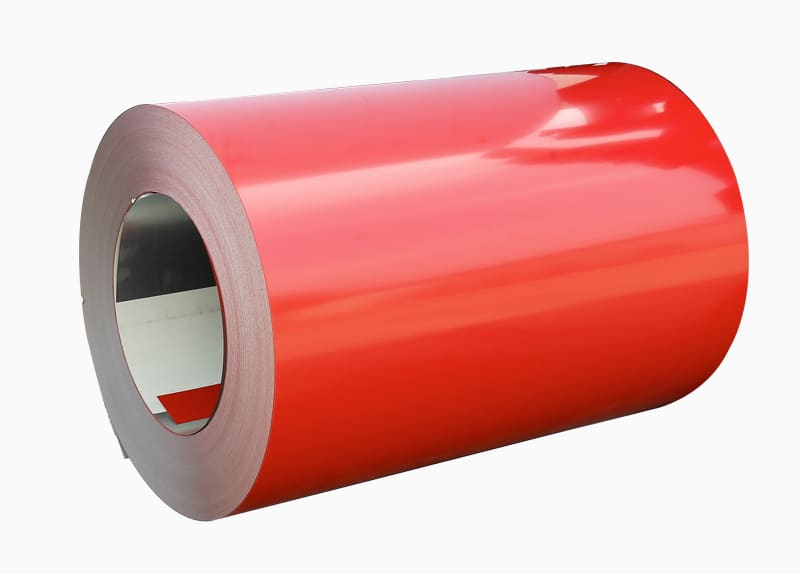
PPGI / PPGL COIL full name is prepainted galvanized / galval...
Port:Zhejiang,China Advantages of Our Prepainted Galvanized ...
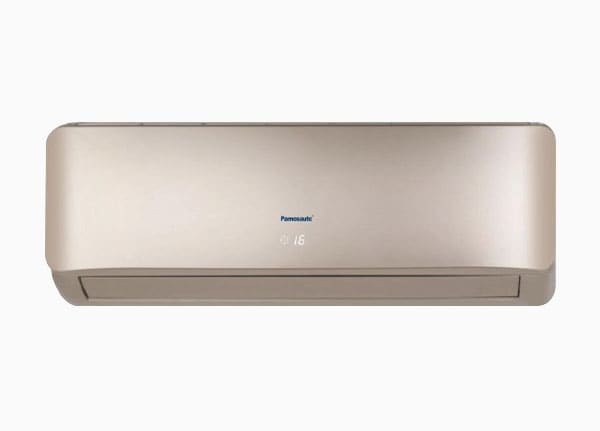
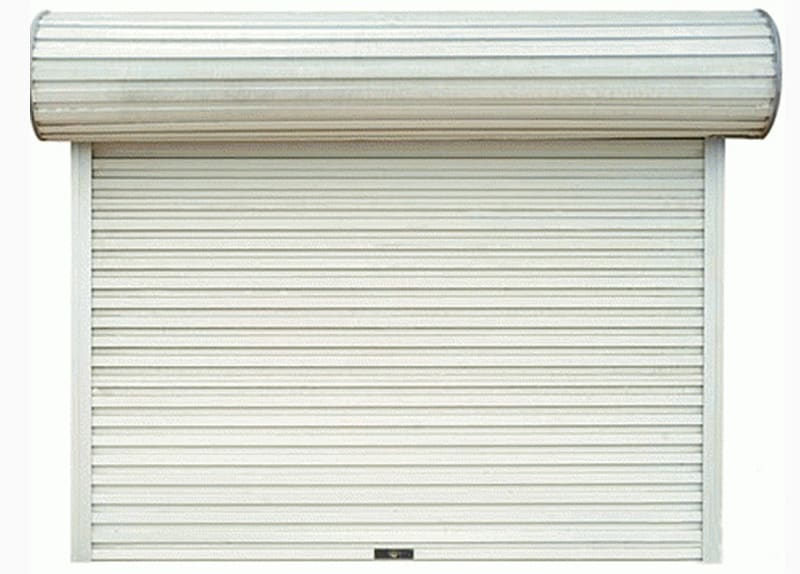
APPLICATION OF PPGI Construction:Outside:Workshop, agricultu...