
- no.8,zaolin road,
longxiang street,
tongxiang,zhejiang,china - +86 573 89381086[email protected]
- DownloadsPDF Brochures
Color coated steel coils are pre-finished steel products produced by applying organic coatings onto galvanized or galvalume steel substrates through a continuous coating line. This process ensures uniform thickness, consistent color, and stable performance, making these coils highly suitable for large-scale fabrication. Compared with post-painting steel sheets, pre-coated coils offer superior surface quality, reduced processing time, and better environmental compliance.
In practical manufacturing scenarios, color coated steel coils are widely used where corrosion resistance, aesthetic appearance, and formability must be balanced. Their factory-controlled coating quality minimizes defects such as uneven paint layers, pinholes, or adhesion failures, which are common risks in secondary painting processes.
The performance of color coated steel coils largely depends on the base metal and the multilayer coating structure. Typically, cold rolled steel serves as the base, followed by metallic coating and organic paint layers. Each layer plays a specific role in durability and application suitability.
A standard color coated steel coil includes a pretreatment layer, primer coat, topcoat, and optional back coat. The pretreatment improves corrosion resistance and paint adhesion, while the primer enhances durability. The topcoat defines color, gloss, and weather resistance, directly influencing service life in outdoor environments.
Different coating systems are selected based on exposure conditions, mechanical requirements, and cost considerations. Choosing the correct coating type is critical for long-term performance.
| Coating Type | Key Features | Typical Uses |
| PE (Polyester) | Good color retention, economical | Roofing sheets, wall panels |
| PVDF | Excellent UV and weather resistance | High-end facades, airports |
| SMP | High hardness, scratch resistance | Industrial buildings |
| HDPE | Thick coating, strong corrosion protection | Coastal and chemical environments |
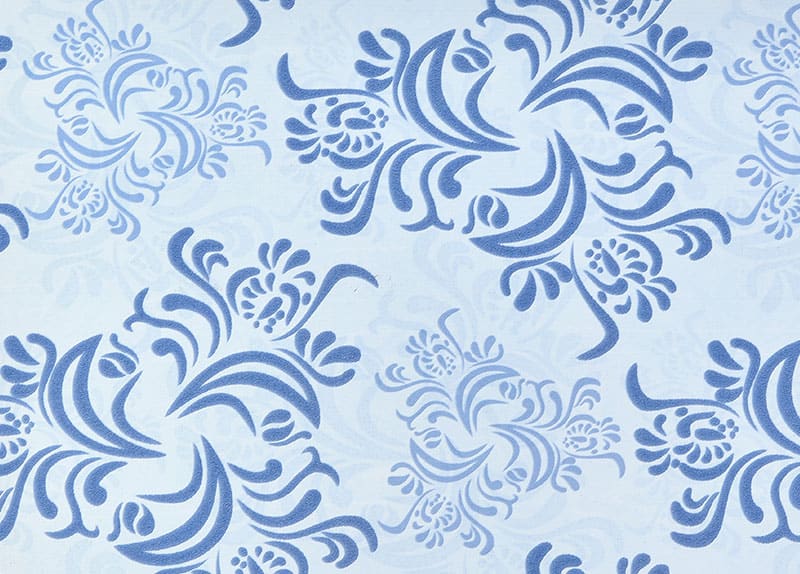
When sourcing color coated steel coils, technical parameters should be evaluated beyond visual appearance. These indicators directly affect fabrication efficiency and product lifespan.
Color coated steel coils are designed for downstream processing such as roll forming, cutting, punching, and profiling. To avoid surface damage, manufacturers should use protective films, optimized tooling, and controlled forming radii. Improper handling can compromise coating integrity, leading to premature corrosion.
For high-speed production lines, coil flatness and consistent mechanical properties are equally important. Reliable suppliers maintain strict control over yield strength, elongation, and coating adhesion to ensure stable performance during mass production.
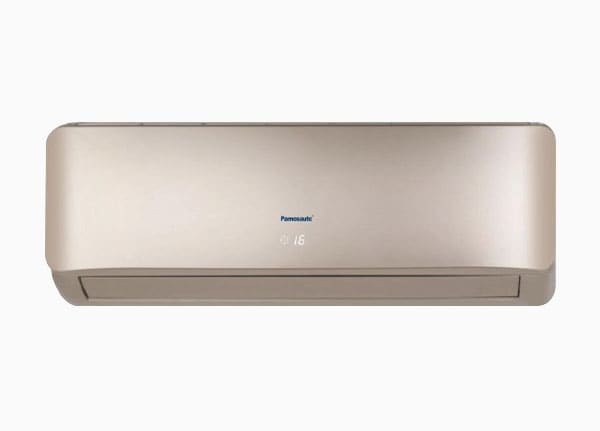
Color coated steel coils are extensively used in construction, transportation, and consumer goods industries. In building systems, they serve as roofing sheets, sandwich panels, and wall cladding. In appliance manufacturing, they are commonly applied to refrigerator panels, washing machine housings, and air-conditioning casings.
With increasing demand for sustainable and visually appealing materials, color coated steel coils continue to replace traditional painted steel, especially in projects requiring fast installation, long service life, and low maintenance costs.
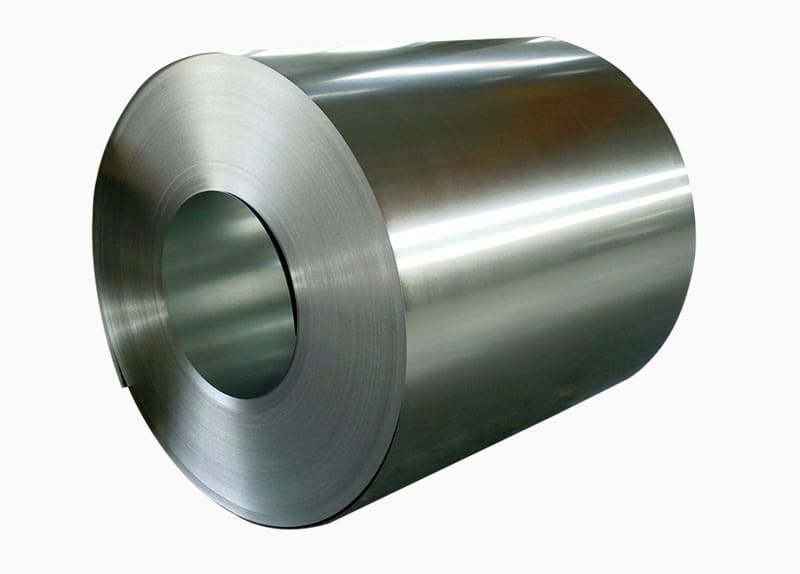
With high anti-rust performance, they are popular used in co...
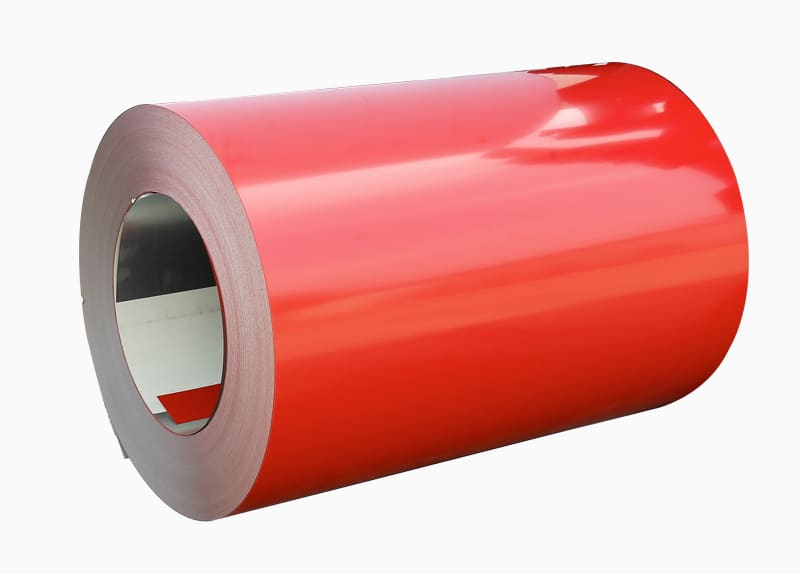
PPGI / PPGL COIL full name is prepainted galvanized / galval...
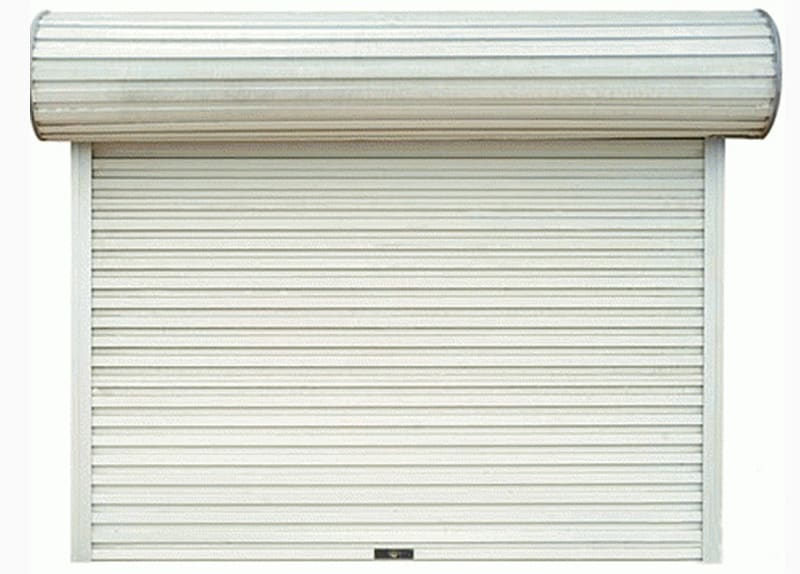
Port:Zhejiang,China Advantages of Our Prepainted Galvanized ...
APPLICATION OF PPGI Construction:Outside:Workshop, agricultu...